top of page

Travel Blog for Dream Destinations and Expert Tips

We are a few weeks out from taking a hosted group down the rivers of France, and one question keeps coming up. For anyone planning France family travel, why a river cruise, and why does it work so well for multi-generational groups? Summary A river cruise in France works for multi-generational families because it balances private space with easy together time, letting each household keep its own pace. The ship eliminates driving and hotel logistics, moving you between towns while you sleep. Onboard meals create natural, low-pressure gatherings, while the structure reduces friction over pace and plans. It’s an effortless format for grandparents, parents, and kids to share the same trip in their own ways. Why It Works: Key Benefits Private Space for Each Household A river cruise gives each family their own cabin, their own rhythm, and their own time to rest. Grandparents can take a slower morning while grandkids explore the top deck. Nobody is stuck sharing one hotel room or negotiating who drives. It’s one reason a river cruise for families can feel effortless. No Daily Driving or Hotel Hops In France, that matters more than people expect. Instead of renting cars, mapping routes, and coordinating multiple vehicles between towns, the boat does the moving. You wake up in a new town without anyone behind the wheel. Natural, Low-Pressure Together Time Breakfast and dinner happen on board, which means the family ends up at the same table without a schedule dictating it. The rest of the day is open for whoever wants to explore, nap, or wander a market on their own. Fit for Different Family Structures This trip includes two families who are two generations parents and adult kids, and one family who is three generations, grandparents down to grandchildren. We are a group of 14, on the same boat, seeing the same towns, but each family experiencing it their own way. In short, it's a multi-generational river cruise France experience that lets each household set the pace. The Aikens at a historical stadium, two generations in the South of France. How the Format Reduces Friction A river cruise removes a lot of the friction that usually comes with group travel across generations. There is no debate over which hotel fits everyone, no splitting up into separate cars, and no one left out of the plan because the pace was too fast or too slow. The structure of the ship handles most of that on its own. What to Know When Planning If a multi-generational trip to France has been on your mind, this is a format we've used before, and one we recommend with confidence. Here’s what we’d tell any family planning the same kind of trip: Choose a route with short sailing days. Less time moving means more time in towns-and fewer “are we there yet?” moments for kids. Lean into the  excursions. On the river cruise lines we book, the excursions are top of the line, and there are multiple options per port. That means grandparents can choose the panoramic tour while others bike, taste wine, or hit a museum, then everyone meets back on the ship to swap stories. Book cabins close together (and consider one with a balcony). Proximity makes it easy to pop in for help with kids or a quick break, and a balcony gives adults a quiet place to decompress. Plan one “anchor” activity per port, not a full day. Pick the must-do (market, bike ride, museum, château) and leave the rest open so different energy levels can self-select. Use onboard meals as your daily reset. Agree that breakfast and/or dinner is the default gathering time; everything else stays optional. Expect one surprise: kids often love the ship as much as the destinations. Build in ship time so they can enjoy the top deck, watch locks, and feel like they’re on an adventure, not being dragged town to town. Frequently Asked Questions Why choose a river cruise for a multi-generational family trip in France? It balances independence with easy together time. Each household has its own cabin and pace, while the ship handles the transit and most logistics. That makes it low-effort for grandparents, parents, and kids to share the same trip without getting tangled in planning or pace conflicts. How does a river cruise reduce the stress of logistics compared to driving and hotels? The boat does the moving while you sleep, so there’s no renting cars, mapping routes, coordinating multiple vehicles, or checking in and out of different hotels. You wake up in a new town without anyone behind the wheel, which matters more in France than many expect. Will we still have time together if everyone keeps their own schedule? Yes. Breakfast and dinner happen on board, creating natural, low-pressure times to gather at the same table. The rest of the day is wide open for exploring, napping, or wandering a market independently. How does the format work for different energy levels and ages? Each family sets its own rhythm. Grandparents can take slow mornings while kids explore the top deck or head out early. You’ll see the same towns from the same boat but experience them at your own speed, without anyone being left out because the pace is too fast or too slow. What kinds of family groups does this work for, and what will you share after your trip? It suits both two-generation (parents and kids) and three-generation groups (grandparents to grandchildren). We’ll share what worked, what surprised us, and what we’d tell another family planning a similar France river cruise once we’re on the water.

Why a River Cruise for Families Works in France

What to know before taking a multi-generational family on a river cruise through France.

Read More
Best Vacations When families ask us about the best vacations for multigenerational families, often meaning three generations traveling together, they are rarely asking about destinations alone. They are asking how to make it work. How do you keep a 10-year-old and a 72-year-old equally engaged? How do you find the right pace when Grandma wants temples and the teenagers want street food and something they have never seen before? After 30 years of planning exactly these trips, we have a few clear answers. Mindy leaving her note at Hiroshima Peace Memorial Park Japan: One of the Best Vacations for Families of Every Age Japan earns the top spot on nearly every best vacations list we build for multigenerational families, and the families who go almost always come back wanting to return. The country is exceptionally organized, incredibly safe, and endlessly layered. A morning in a Kyoto temple garden is quiet enough for grandparents and genuinely awe-inspiring for kids. An afternoon in a ramen shop or a hands-on wagashi class gives the whole family something to do together. Bullet trains are a thrill for every age. Vietnam: Best Vacations for Families Who Want to Be Moved Vietnam belongs on any best vacations list for families ready to be changed by where they go. Ha Long Bay by private junk delivers dramatic scenery, kayaking for active members of your group, and a pace that lets everyone find their rhythm. Hoi An is walkable, beautiful, and full of hands-on experiences. Cooking classes, lantern-making, and tailor shops keep every generation occupied from morning to evening. Thailand: Best Vacations for Celebrations and Honeymoons Thailand is one of the best vacations for celebrations that deserve to feel unmistakably special, honeymoons, milestone anniversaries, and “just because we finally did it” trips. It is easy to build an itinerary that feels romantic without feeling overplanned: a few days in Bangkok with private guides and standout dining, Chiang Mai for wellness, culture, and a slower pace, then time on the islands for beautiful water and reset-level downtime. Whether you want a private pool villa, a boat day, a cooking class for two, or a candlelit dinner on the sand, Thailand makes the celebration feel effortless. South Korea: Best Vacations for Multigenerational Families South Korea is one of the best vacations for multigenerational families who want a trip that is dynamic, comfortable, and full of shared experiences. Seoul makes a surprisingly easy home base: palaces and hanok neighborhoods for grandparents, lively markets and street food for teens, and hands-on cultural moments that pull everyone together. The transit is efficient, the hotels are excellent, and the mix of old and new keeps the itinerary interesting without requiring nonstop movement. Add in a few days in Busan for coastal energy, or a quieter stay outside the city, and you have a trip that gives every generation something to talk about at the dinner table. Cambodia: Best Vacations Built Around Shared Wonder Angkor Wat delivers something the best vacations always aim for and rarely achieve: a shared experience of genuine wonder that lands differently for every generation in your group. Grandparents connect to the history. Children are mesmerized by the scale. Teenagers who claim they are not interested end up being the ones who want to explore longest. Siem Reap is a warm and manageable base with excellent food, easy transportation, and a pace that lets families breathe between excursions. How to Find the Best Vacation for Your Family The best vacations are never about the destination alone. They are about who is traveling, what they care about, and how much flexibility the itinerary can hold. Families with grandparents who have mobility considerations need different logistics than a family with teenagers who want to move fast. A milestone anniversary calls for a different emotional arc than a first big trip with young grandchildren. That is the conversation we start with every family who reaches out to us. Before we talk about itineraries, we talk about you: your family dynamics, your travel history, what has worked before, and what you most want this trip to feel like when it is over. If you are ready to plan one of the best vacations your family has ever taken, reach out to Mindy and Suzie at Aiken for a Trip to start the conversation. Q&A Question: How do you keep multiple generations equally engaged and set the right pace?  Short answer: Start with balance and flexibility. Pair quiet, awe-filled moments, like a morning in a Kyoto temple garden, with hands-on activities everyone can enjoy, such as a ramen or wagashi class, cooking lessons, lantern-making, or time on the water. Choose destinations and experiences that let each person find their rhythm: private junk boats in Ha Long Bay allow active kayaking or relaxed sightseeing; Thailand’s mix of temples, ethical elephant sanctuaries, and beach downtime spreads energy across the trip. The right pace depends on who is traveling and why, mobility considerations, fast-moving teens, or a milestone celebration all shape the plan. That’s why the process begins with a conversation about your family dynamics, travel history, and what you want the trip to feel like when it’s over. When you’re ready, reach out to Mindy and Suzie at Aiken for a Trip to start that conversation. Question: Why does Japan top your list for multigenerational families?  Short answer: Japan is exceptionally organized, incredibly safe, and layered with experiences that resonate across ages. Grandparents and kids alike find wonder in Kyoto’s serene temple gardens, while shared, hands-on moments, like a ramen stop or a wagashi-making class, bring everyone together. Even the logistics are fun: bullet trains are a thrill for every age, making movement between highlights smooth and engaging. Question: Our group has mixed interests and energy levels, why pick Thailand?  Short answer: Thailand delivers unmatched variety within a single trip. You can weave together Chiang Mai for temples and a cooking class, time in the north at an ethical elephant sanctuary, and then transition south to the coast for slower days by beautiful water. That range means each generation gets what they want without needing multiple separate vacations. Question: We want to be moved and experience shared wonder, should we consider Vietnam or Cambodia?  Short answer: Both belong on your list, for different reasons. Vietnam moves families with experiences that balance action and reflection: a private junk on Ha Long Bay offers dramatic scenery and kayaking at an easy pace, while Hoi An is walkable, beautiful, and rich with hands-on options like cooking classes, lantern-making, and tailor shops. Cambodia delivers rare, shared awe: Angkor Wat captivates every generation differently, history for grandparents, sheer scale for kids, and unexpected curiosity for teens, while Siem Reap provides a warm, manageable base with great food and easy logistics.

Best Vacations for Multigenerational Families, Celebrations

The best vacations for multigenerational families require more than a great destination. They require the right pace, the right mix of experiences, and someone who knows how to design a trip that works for a 10-year-old and a 72-year-old at the same time. After 30 years of planning these trips across Japan, Vietnam, Thailand, South Korea, and Cambodia, here is what we know.

Read More
By Suzie Aiken and Mindy Aiken  Celebrating another year of life is the perfect excuse to pack your bags and explore a new corner of the globe. If you are looking for unforgettable ways to ring in your new age, you need the ultimate list of Destination birthday party and birthday trip ideas for Aiken for a Trip. Whether you want a wild weekend with a dozen friends or a serene, intimate escape, hosting a destination birthday party elevates your special day into a lifelong memory. Let’s dive into some fantastic birthday trip ideas and actionable tips to help you celebrate in style. Some birthdays require a passport stamp Choosing the Perfect Vibe and Location The first step is deciding where to go. Are you currently weighing luxury vs affordable birthday travel destinations? For an opulent experience, the Maldives or the Amalfi Coast consistently rank among the best places for milestone birthday trips. If you prefer a quieter, more budget-friendly celebration, look into hidden gem cities for low-key birthday getaways, like Asheville, North Carolina, or Alentejo, Portugal. When selecting a location, always ask yourself: what are the best seasonal birthday travel spots? A January birthday might call for a cozy ski lodge, while a July celebration begs for a tropical beachside villa. Not traveling with a big group? No problem. Destinations like Kyoto and Reykjavik offer incredible solo travel birthday destination recommendations. Alternatively, if romance is the goal, Santorini and Phuket provide fantastic adult birthday getaway ideas for couples. Seamless Logistics for Group Travel Organization is key to a stress-free getaway. To start, you should create a comprehensive checklist for organizing a destination birthday to track RSVPs, budgets, and deadlines. Accommodations: Booking top-rated all-inclusive resorts for birthday groups takes the hassle out of cooking, cleaning, and splitting daily bills. Travel Arrangements: Use group travel apps for coordinating flights and hotels for large birthday parties to ensure everyone arrives smoothly and stays together. Legal Details: Don’t forget to double-check international birthday trip visa requirements for groups well in advance so no one is left behind at customs! Itineraries, Budgets, and Dining Crafting a balanced group travel itinerary for birthday celebrations ensures everyone has fun without feeling rushed. Include ample downtime alongside exciting excursions. For example, booking a private catamaran or scheduling an exclusive wine tasting are highly memorable, unique activities for a 40th birthday trip. Finances can be a tricky subject, so figuring out how to plan a destination birthday party on a budget is essential. Be transparent early on about expected costs. Using shared finance apps is a highly effective method for managing group travel expenses for birthday trips, ensuring absolute fairness and avoiding awkward conversations. Finally, no birthday is complete without an epic celebratory meal. Follow these birthday trip dinner reservation tips: book at least four weeks in advance, confirm any dietary restrictions for your party beforehand, and always inform the restaurant about the occasion to secure a special toast or complimentary dessert. A birthday vacation is the ultimate gift you can give yourself. By carefully selecting your location, handling logistics proactively, and planning engaging activities, you are guaranteed a phenomenal celebration. Start packing and get ready to toast to a new year of adventures! If you’d like help turning these ideas into a plan, we can help you narrow down destinations, build a realistic itinerary, and organize the details so your birthday trip feels effortless from start to finish.

Destination Birthday Party and Birthday Trip Ideas for Aiken for a Trip

Celebrating another year of life is the perfect excuse to pack your bags and explore a new corner of the globe. If you are looking for unforgettable ways to ring in your new age, you need the ultimate list of destination birthday party and birthday trip ideas from Mindy and Suzie.

Read More
By Suzie Aiken and Mindy Aiken Some trips are built around a place. Others are built around a feeling. You don’t pick the destination first. You pick the thing you can’t stop thinking about—food, design, photography, hiking, live music, history, art, and then you follow it. That’s purpose travel. Not in a grand, self-serious way. Just in a clear, practical way: you have a reason you’re going, and that reason shapes what you do when you get there. That reason is the thread. Everything else, where you stay, what you eat, how you spend your mornings, follows from it. It’s where your trip stops being a list of stops and starts becoming a thread you can actually follow. Following yoga wherever it leads What “purpose travel” really means Leisure travel is easy to understand: rest, reset, take a break. Purpose travel is different. The purpose of travel isn’t only to see something new, it’s to go toward something you already care about and let the destination deepen it. Think of it like a filter. Instead of asking, “What should I do in this city?” you’re asking, “What does this city let me do more of?” When you travel this way, you don’t need a packed itinerary to feel like the trip “counted.” You need the right moments. The ones that connect back to your interest and stay with you when you get home. Movement every day is non-negotiable. Wine country just makes it better. How to choose your “passion” for a trip If the concept sounds good but still feels vague, start smaller. Your passion doesn’t have to be a lifelong calling. It can be a current obsession. What do you save on Instagram and actually go back to? What could you talk about for an hour without checking the time? What do you wish you had more space for at home? That’s your starting point. From there, you can turn it into travel in a very real way. If you’re into food, you’re looking for markets, cooking classes, neighborhood restaurants, and the regional dishes people argue about. If you’re into architecture, you’re walking early, visiting churches and libraries, and learning what materials people build with, and why. This is where the purpose of travel becomes personal. The trip supports something you already want more of. Planning: let the interest lead, then fill in the rest When you plan around a passion, the trip organizes itself differently. You’re still going to see the main sights if you want to, but they’re not running the show. A simple way to build your plan: Pick a focus. One primary interest is enough. (Two is fine. Five is chaos.) Find the “where” inside the destination. Not just Paris, ceramics neighborhoods, jazz clubs, vintage markets, bookstores, bakeries, studios. Choose one anchor experience. A workshop, a guide, a class, a performance, a hike, something you’ll remember because you participated. Leave room for the part you can’t plan. If your schedule is too tight, you won’t follow the good detours. Also: make your packing match your plan. Purpose travel usually comes with small “tools”, a notebook, a camera lens, a pair of shoes you can stand in for hours, a tote for markets, whatever supports the thing you came to do. Keeping it organized makes the days easier. Using the “Passion” portion of the Aiken for a Trip journal The Passion section works best when it’s not treated like homework. It’s not about writing more. It’s about writing the right things, the details that explain why this trip mattered to you. Try splitting it into three parts: before, during, and after. Before you go What do I want to experience more deeply on this trip? What would make me feel like I used this destination well? What am I curious about (and willing to not know yet)? While you’re there Where did my interest show up today, in a small way or a big one? What did I notice that I would have missed on a “checklist” trip? Who taught me something, even indirectly? What did I try that I wouldn’t have tried at home? After you get home What do I want to keep doing now that I’ve seen it done differently? What’s the next question this trip gave me? What would I do again, and what would I skip? Those answers turn into a kind of personal travel record. Not just what you did, but what it did to you. Why this style of travel feels different When a trip has a passion at the center, you naturally slow down. You spend longer in fewer places. You stop rushing from one “must-see” to the next because you’re busy doing the thing you came for. And that’s usually when the best travel happens. The café you return to. The shop owner who starts recognizing you. The conversation that goes longer than expected because you’re asking better questions. You come back with stories that are specific instead of generic, because the trip was built around something real. If you’re filling out the Passion portion of the Aiken for a Trip journal, purpose travel gives you an instant theme to write from. A throughline. A way to choose what matters. Pick the interest. Let it lead. Then let the destination surprise you.

Travel With Purpose: Journeys Built Around What You Love Most

Purpose travel starts with the thing you can't stop thinking about and lets that shape where you travel.

Read More
By Suzie Aiken and Mindy Aiken Every four years, something happens that is more than a marketing campaign can replicate. A country most people couldn't place on a map a week earlier suddenly has an entire extended family rooting for it by name. It becomes powerful travel inspiration that can shape future travel destinations. This is the World Cup effect, and it is quietly one of the best predictors of where families want to travel next. We love sports and soccer, but this is something bigger. A World Cup 2026 match comes on, and someone in the family has a connection to that country. A grandparent who lived there. A trip taken decades ago. A name on the roster that sounds like someone's last name. The game becomes the occasion. The conversation that follows is the real event. Multi-generational family watching World Cup 2026 together Summary This piece explores the “World Cup effect,” where World Cup 2026 sparks multi-generational family conversations that often turn into real trips. It spotlights Japan, South Korea, and Portugal as destinations that work well for three-generation groups due to accessible transport, varied activity options, and cultural depth. It outlines core criteria for choosing such destinations: simple flight connections, manageable infrastructure, and activities suited to different energy levels. Families are encouraged to turn the excitement from a match into a practical short list and planning conversation for a memorable shared journey. Why a Country on Screen Becomes a Trip on the Family Calendar There is research behind this pattern. Major sporting events have long been shown to drive measurable spikes in destination searches and travel inquiries for participating countries, a phenomenon the tourism industry refers to as the "halo effect." (Source: World Travel & Tourism Council) The World Cup, with its global viewership, produces one of the strongest versions of this effect of any event in the world, especially for families considering new travel destinations. This year, a few countries keep coming up in conversations with our clients as travel destinations with broad appeal. The Countries Behind This Year's Inspiration These travel destinations have risen to the top not just because they're fun to watch, but because they work for real families. Japan. Bullet trains connect cities efficiently, which matters when a trip includes a range of ages and mobility levels. Kyoto offers the slower, historic pace that grandparents often want, while Tokyo gives kids and teenagers plenty to do. Visit our Japan family trips. It's a standout travel destination for multi-generational travel. South Korea. Often paired with Japan for families wanting two distinct cultures in one trip. Seoul balances a modern, easy-to-navigate city with palaces and green space that give the trip room to breathe. Explore South Korea with us. This pairing offers fresh travel inspiration for all ages. Portugal. For families with roots there, the World Cup 2026 carries extra weight. Lisbon and the Algarve are walkable, manageable for a range of ages, and easy to slow down in when the group needs a rest day. Cheers a win with a glass of wine in a Portugal. It's one of those travel destinations that balances heritage an ease. What these three have in common is not just that they are fun to watch this summer. It is that they are genuinely workable for a group spanning three generations, which is a much shorter list than people expect for multi-generational travel. What Makes a Country Work for a Multi-Generation Trip When planning multi-generational travel, we look for travel destinations that check a few boxes: Direct or simple flight connections. A long layover affects a six year old and an 80 year old very differently. A range of activity levels in one place, so a teenager, a parent, and a grandparent can each spend their day differently and still come back together for dinner. Manageable infrastructure. Cobblestones and steep hills are charming until they are not. Enough cultural depth that the trip holds interest for adults, without losing the things that keep kids engaged. Start planning for a multi-generational family trip A Trip Worth Watching For If a particular country during World Cup 2026 has had your family glued to the TV this month, that reaction is worth paying attention to. It tends to mean something. Use that travel inspiration to start a short list of travel destinations that could work for your group. We have built three decades of trips out of exactly this kind of moment: a spark that turns into a conversation, and a conversation that turns into a trip three generations actually take together. Let's talk about your trip. The match ends in 90 minutes. The trip it inspires can last a lot longer. Q&A Question: What is the “World Cup effect,” and why does it matter for families? The World Cup effect is the surge in interest and travel planning that follows watching teams on the global stage. Research in tourism calls this the “halo effect,” where major events drive measurable spikes in destination searches and inquiries. For multi-generational families, it often starts with a flag or a name on TV that sparks a personal connection, then turns into a group conversation that can lead to a real trip everyone agrees on. Question: Why do Japan, South Korea, and Portugal work well for three-generation trips? They combine ease with depth. Japan’s bullet trains make moving between cities simple; Kyoto has a slower, historic pace for grandparents, while Tokyo keeps kids and teens engaged. South Korea (often paired with Japan) balances an easy-to-navigate Seoul with palaces and green spaces. Portugal offers heritage connections for many families, with Lisbon and the Algarve being walkable, manageable, and easy to slow down in for rest days. Question: What criteria should we use to choose a multi-generational destination? Look for: Direct or simple flight connections to minimize wear on both young kids and older adults. A range of activity levels in one place so each generation can spend the day differently and still reconnect for dinner. Manageable infrastructure, avoid destinations where steep hills or cobblestones make everyday movement hard. Enough cultural depth to engage adults without losing the fun and variety that keep kids interested. Question: How do we turn match-day excitement into a practical plan? Start a short list of the countries that sparked interest during World Cup 2026. From there, check flight simplicity, note cities that offer varied activity levels (and easy transport between them), and build in rest days. Use the criteria above to narrow to a few workable options, then begin a planning conversation with the whole group so each generation’s needs are considered. Question: What does “manageable infrastructure” really mean in this context? It’s about ease of movement and everyday comfort for all ages. Destinations with reliable public transport, straightforward city layouts, and fewer physical hurdles (like steep hills or extensive cobblestones) make it simpler for grandparents and kids alike to get around, so the trip stays enjoyable rather than exhausting.

Multi-Generational Family Travel Inspired by World Cup 2026

Every World Cup, a country on screen turns into a conversation, and the conversation turns into a trip. Here's why multi-generational families keep choosing Japan, South Korea, and Portugal this season, and what actually makes a destination work for three generations traveling together.

Read More
By Suzie Aiken and Mindy Aiken South Korea Travel Guide: What Families and First-Timers Need to Know. Your teenager already knows more about South Korea than you might expect. The food, the music, the skincare, the films. What they may not know is that the country behind all of it is even better in person. This is not the trip their friends are taking. It is the one they will still be talking about when everyone else comes back with the same photos from the same beaches. Consider this a south Korea travel guide for first-timers that also works for south Korea family travel, especially if you're visiting south Korea with teenagers. Seoul Travel Guide: Top Things to Do for Families Start at Gyeongbokgung Palace, built in 1395 and eventually rebuilt to include more than 7,700 rooms across 500 buildings. Even teenagers who think they have seen every palace will like this one. Depending on the group's style, consider renting hanbok, the traditional Korean dress. Some families love the photos and the feel of walking the palace grounds in full color. Others find it a little touristy. One detail that might tip the decision: hanbok rental includes free palace admission, which covers the Sumunjang changing of the guard ceremony at 10am and 2pm (the palace is closed on Tuesdays). Worth timing the visit around either way. Walk from the palace to Bukchon Hanok Village, where traditional Korean houses from the Joseon period now house tea rooms, small galleries, and local shops. The morning that earns the most conversation at dinner is the food walk through Gwangjang Market. We recommend a food expert leads it, and the tastings move through mung bean pancakes, fresh bibimbap, and sesame-rolled rice cakes from vendors who have been at the same stalls for decades. It functions as lunch and you can spot the 'Netflix Noodles Lady' in action. The DMZ is the stop most families say is a meaningful stop on the trip. The tour includes the 3rd Infiltration Tunnel, the Dora Observatory, and time with North Korean defectors who share their stories directly. It is sobering in a way documentaries can't replicate. Lunch afterward at Neungra Bapsang, where the owner Lee Ae-ran escaped North Korea and became the first defector to earn a PhD in nutrition and food science, adds a layer that stays with people long after the trip ends. She often joins guests at the table to share her story in person. Lee Ae-ran: restaurant owner, North Korean defector, and the first defector to earn a PhD in nutrition and food science. Where to stay: The Four Seasons Hotel Seoul sits near Gwanghwamun Square, steps from the palaces and Myeongdong. The design incorporates classical Korean motifs and more than 160 original artworks. It is the kind of hotel teenagers actually notice. Seoul's Other Schedule: Pop-Ups, Limited Drops, and Knowing Where to Look Seoul has a second itinerary running underneath the official one. On any given week there is a pop-up from a Korean designer that will not be there next month, a limited food collaboration that opened with no announcement, a temporary installation that appeared in someone's feed and will disappear before most visitors think to look it up. The challenge is that some of these do not surface in English. The real-time pop-ups, the collab drops, the neighborhood moments, live in Korean-language spaces most visitors never reach. A guide with actual roots in Seoul's creative community knows which neighborhoods are active that week and which ones peaked two years ago and are now running on reputation. That is not information you can research from home. K-Beauty has its own version of this. Myeongdong is only the surface. Brands regularly open temporary flagship experiences in Gangnam and Seongsu that are worth building into the schedule. A color analysis session connects directly to what teenagers are already interested in and produces something they will actually use when they get home. Teenagers (and you) can do some serious  damage here Busan Travel Guide: Beaches, Markets, and the Best Things to Do Most itineraries underserve Busan. That is a mistake. South Korea's second-largest city has a completely different energy from Seoul: the air smells like the sea, the food is fresher, the neighborhoods tell stories the history books skip. Give it two full days minimum. Jagalchi Fish Market is South Korea's second largest seafood market and runs along the waterfront with vendors selling octopus, squid, oysters, clams, and live fish pulled from tanks that morning. Arrive early. Teenagers who are skeptical about fish markets find themselves engaged within a few minutes. Gamcheon Culture Village is the stop that produces the most photographs and instagrammable moments. Built in the 1920s to house Busan's poorest residents and transformed in the early 2000s through a community arts initiative, it is now a hillside of pastel houses, painted staircases, and sculpture installations tucked into alleyways. The story underneath it is more interesting than the photographs suggest. For teenagers who follow street art or urban design, this is a full afternoon, not a passing look. Great views make great photos The day closes at the United Nations Memorial Cemetery, the only UN cemetery in the world, where soldiers from 11 countries who died defending South Korea during the Korean War are laid to rest. For American families, this is a quiet but powerful stop. It is a chance to walk through and understand the scale of US involvement in a war that does not get much attention in most history classes back home, and to see how deeply South Korea still honors that sacrifice. The grounds are peaceful and well kept, and the visitor center adds context that makes the rest of the trip, and the freedoms this country now enjoys, land differently. Where to stay: The Park Hyatt Busan overlooks Haeundae Beach and the Gwangan Bridge. The floor-to-ceiling windows make the most of one of the best urban views in the country. Gyeongju Travel Guide: A Day Trip Worth the Detour Two hours and forty minutes from Seoul by KTX bullet train, Gyeongju was the capital of the Silla dynasty for nearly a thousand years. Royal burial mounds rise from the center of town. Bulguksa Temple, a UNESCO World Heritage Site, rewards an unhurried hour. One day here lands differently than expected and is a natural counterpoint to the pace of Seoul and the energy of Busan. The nature and beautiful flowers in Gyeongju Jeju Island: The Trip Within the Trip Jeju was not on our Seoul and Busan itinerary, but mom traveled there and came back with a clear perspective: Jeju is a completely different South Korea and belongs in the conversation for families who have the time to include it. A volcanic island off the southern coast, Jeju has lava tube caves, crater lakes, black sand beaches, and Hallasan, the highest peak in South Korea. Younger children respond to the waterfalls and beaches. Teenagers find the volcanic landscape interesting. Grandparents appreciate that it moves at a slower pace with comfort and great food. The haenyeo, women divers who have harvested seafood from Jeju's waters for centuries and were recognized by UNESCO in 2016, are memorable encounters. Jeju works best as a two to three night extension or as its own dedicated trip for families returning for a second visit. Women divers at Jeju A Note on Planning The details in this guide come from firsthand time on the ground in Seoul, Busan, and Gyeongju, and from Mindy's recent time in Jeju. The DMZ coordination, the Gwangjang Market food walk, the reservation at Neungra Bapsang, the question of which Seoul neighborhoods are worth your time this season: none of that comes from a search engine. It comes from being there. If you are thinking about South Korea for a family trip and want help thinking through the shape of it, that conversation is a good place to start. Q&A Question: What are the top Seoul experiences for families with teens?  Short answer: Start at Gyeongbokgung Palace, renting hanbok can make it more fun (and includes free palace admission), and timing your visit for the Sumunjang changing of the guard at 10am or 2pm adds a highlight (note: the palace is closed on Tuesdays). Walk over to Bukchon Hanok Village for tea rooms, small galleries, and local shops in historic hanok houses. For lunch, a guided food walk through Gwangjang Market, sampling mung bean pancakes, fresh bibimbap, and sesame-rolled rice cakes—wins over even skeptical teens and lets you spot the “Netflix Noodles Lady.” If you want a centrally located, design-forward base teens will notice, the Four Seasons Hotel Seoul sits by Gwanghwamun Square, close to the palaces and Myeongdong. Question: Is the DMZ visit right for a family trip?  Short answer: Yes, families consistently call it one of the most meaningful stops. The tour typically includes the 3rd Infiltration Tunnel and the Dora Observatory, plus direct time with North Korean defectors whose personal stories make the experience far more impactful than a documentary. Following the tour with lunch at Neungra Bapsang deepens the day: owner Lee Ae-ran, herself a North Korean defector and the first to earn a PhD in nutrition and food science, often joins guests to share her story at the table. Question: How do we catch Seoul’s pop-ups and K-Beauty moments that don’t show up in English?  Short answer: Seoul runs on a “second itinerary” of limited drops, pop-ups, and neighborhood moments that often surface only in Korean. A guide with real roots in the creative community can steer you to what’s actually hot this week (and away from spots coasting on old hype). For K-Beauty, Myeongdong is just the surface—temporary flagship experiences frequently appear in Gangnam and Seongsu. A color analysis session connects directly to what teens already love and gives them something they’ll actually use when they’re back home. Question: Is Busan worth adding, and how long should we give it?  Short answer: Absolutely, most itineraries underserve Busan, and that’s a mistake. Give it at least two full days. Expect a different energy from Seoul: sea air, fresher food, and neighborhoods with lived-in stories. Go early to Jagalchi Fish Market for a lively, hands-on seafood scene. Plan unhurried time in Gamcheon Culture Village—beyond the pastel photos, its community arts transformation rewards teens interested in street art and urban design. Close a day at the United Nations Memorial Cemetery, a quiet, powerful lens on the Korean War and how South Korea honors that sacrifice. For a memorable stay with sweeping views of Haeundae Beach and the Gwangan Bridge, consider the Park Hyatt Busan. Question: Are Gyeongju and Jeju worth the detour for families and first-timers?  Short answer: Yes, each adds a distinct chapter to the trip. Gyeongju is an easy cultural counterpoint to Seoul and Busan: about 2 hours 40 minutes from Seoul by KTX, it was the Silla capital for nearly a millennium. Royal burial mounds dot the town, and Bulguksa Temple (a UNESCO site) rewards an unhurried visit—perfect for a day trip. Jeju Island is a “trip within the trip”: a volcanic landscape of lava tube caves, crater lakes, black sand beaches, and Hallasan. Younger kids love the waterfalls and beaches; teens are drawn to the geology; grandparents appreciate the slower pace and great food. Encounters with the haenyeo (women divers recognized by UNESCO in 2016) are memorable. Jeju works best as a two to three night extension or as a standalone return-trip focus.

South Korea Travel Guide for Families and First-Timers

South Korea is the trip teenagers actually want to take, and this guide covers exactly what families and first-timers need to know about Seoul, Busan, Jeju, and Gyeongju.

Read More
By Suzie Aiken and Mindy Aiken Good friends, Japan, and the captain who made it safe and kept us happy How to Plan a Trip to Japan with Friends | Lessons from 30 years of getting it right I have been planning travel for a long time. I know what makes a trip work and I know what does not. When my closest friends said they wanted to do Japan together, I said yes immediately and then I got to work. If you're wondering "how to plan a trip to Japan with friends," these are the lessons that shaped our itinerary. We sailed on the Crystal cruise and hit ports most people never get to. Nagasaki. Hiroshima. Miyakojima. Ishigaki. Then Kyoto and Tokyo. I packed the itinerary full because that is how I travel and my friends know it. Everyone appreciated it. But here is what I want to tell you about Japan. You can read about it, watch documentaries, study the history. Nothing prepares you for what happens when you actually talk to the people. That is the part that changed us. Is Japan a good trip for a group of friends? Yes. Japan  well for friend groups because cities and regions can be split across interests: some want temples and history, others want food and nightlife, and the rail system makes it easy to move as one group or split off and reconnect. How many days do you need in Japan with friends?  Japan rewards time. Give yourself more than you think you need. This is the question I get most often and my answer is always the same. More than you think.  People often ask, "how man days in Japan?" when mapping out a first visit with friends. We had just over two weeks and still left things on the table. If you are planning a first trip to Japan with friends and you want to move between cities, experience more than one region, and actually absorb what you are seeing, I would not go for less than ten days. Two weeks is better. We combined a Crystal cruise through the southern islands and Kyushu with land stay in Tokyo, and that combination gave us a completely different picture of Japan than a straightforward city itinerary would have. The cruise handled the ports that are harder to reach independently. Kyoto and Tokyo got the deep attention they deserved. That structure worked beautifully for our group. When is the best time to visit Japan with friends? Spring and fall are the seasons most people aim for, and for good reason. Cherry blossom season in late March and April is extraordinary. Fall foliage from mid-October through November turns Kyoto into something you have to see to believe. We traveled in late May into June in the 'rainy season' and found it warm, manageable, and less crowded than peak cherry blossom weeks. Some people say the rainy season is the best because it typically doesn't rain all day and when the rainy season clears, it is so green and clear. For a group trying to actually move around and get into restaurants and temples without fighting crowds, that shoulder season window was a smart call. The history you think you know is not the whole story Incredible time spent with a Hiroshima survivor  I have read about Nagasaki and Hiroshima my entire adult life. I thought I had a solid understanding of what happened there. Standing inside the Atomic Bomb Museum in Nagasaki, our guide filled in what the textbooks left out. The history of that city, its relationship with the West long before the bomb, the way it has chosen to respond since, is far more layered than I knew. I left with a completely different picture than the one I arrived with. And then in Hiroshima, we had the privilege of sitting with a survivor. I have been on a lot of trips. Hiroshima was a privilege and honor of a lifetime, a private meeting with a 94 year old survivor! His memory was so sharp. That conversation is one of the most meaningful experiences I have ever had as a traveler. He was gracious and specific and matter of fact in a way that made everything real. My friends and I were so grateful for the experience. We had a full day ahead of us and this was just the beginning. The island in Miyakojima was the most beautiful water I have seen, and our guide explained more about the protection of the water which is what turns a pretty view into something you actually take with you. We had an overnight stay on the boat in Kobe, local Kobe beef is the best ever. The next morning we departed at 7AM for our trip to Kyoto. In Kyoto we started at the museum of 1001 Buddhas, which was incredible! Even some of the people who had been to Kyoto several times before never had seen this unbelievable sight. Also, Kyoto official tea ceremony unlike an experience I've ever done before. There are tea ceremonies and then there are tea ceremonies. We were welcome in and watched many people turned away. Only certain people can open the doors for this experience and we were guided by the best. Tokyo got three full days and we used all of them. The Geisha experience that almost 100 never have entry in. We had the opportunity to spend five hours including dinner, sake, music, dance and play games. It is a day I will never forget. The dinner reservations in Tokyo are very difficult. I traveled with six people who had six different dietary needs. While this was challenging, I was very successful with the partners who worked seamlessly with me. The water here stopped us in our tracks. The friends you bring matters as much as where you go My friends are curious people. They ask questions, they listen, they do not rush through a moment to get to the next photo. The conversations went deeper because of it. If you are thinking about planning a friends trip to Japan, think carefully about who you invite. Not just whether you enjoy their company at home, but whether they show up with genuine curiosity when they travel. The experience is completely different when everyone in your group is paying attention. I planned this trip. My friends trusted me. Japan delivered in every way I hoped it would, and then some. Do not try to do this without a real plan behind it If you're researching "apan group trip planning," the details below will help you organize each step without losing the joy of discovery. Moving a group through Japan requires real coordination. We stayed at the Four Seasons Kyoto and the Fairmont in Tokyo. Both were exceptional and both were intentional choices. The right hotel in Japan is not just about comfort. It is about location, service, and having a team around you that understands what you are trying to do each day. Our trip was planned and executed with our in country partners, whose on the ground presence in Japan is genuinely impressive. Private vehicles, expert guides at every stop, the Hiroshima survivor experience, the kimono session in Kyoto, the cruise coordination. None of that happens without serious expertise behind it. Restaurant reservations in Kyoto are often booked months out. Luggage forwarding between cities, which lets you travel without dragging bags through train stations, needs to be arranged in advance. The Crystal cruise ports required precise timing between ship departures and land transfers. Getting any of that wrong costs you time and experience you cannot get back. When the logistics are solid you stop thinking about them entirely. You are just present. That is when the best moments happen. For more on how I plan trips like this one, start here. If Japan is on your list and you want to do it right, plan your Japan trip with us. I know exactly how to make it worth your time. More stories in Travel Together, trips shaped by the people you go with.

How to Plan a Trip to Japan with Friends

I packed the itinerary full, my friends trusted me, and Japan delivered in every way I hoped it would. Here is what made it unforgettable.
Read More
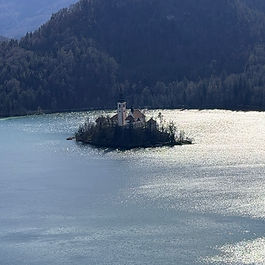
By Suzie and Mindy Aiken Slovenia was already high on our list before we arrived. The food reputation, the wine, the nature, all of it pointed to a destination on the verge of something. After spending five days traveling the country, from the Vipava Valley to Ljubljana to the lakes of Bohinj, we came home certain of one thing: Slovenia will be trending for years to come. Consider this a concise Slovenia travel guide, with practical inspiration and a few things to do in Slovenia if you're wondering whether Slovenia should be your next trip. Here are the five reasons we now tell our clients to consider Slovenia for their next trip. The beautiful Lake Bled 1. The Gastronomy in Slovenia is World-Class Slovenia holds a remarkable distinction as the lead in Michelin-starred restaurants per capita. It was one of the reasons Slovenia landed so high on our list before we ever set foot there. After eating our way through the country, we can tell you, the reputation doesn't just hold up, it undersells it. Our first lunch set the tone, a six-course tasting menu at Pikol Lake Village in the Vipava Valley, each dish built entirely from ingredients grown in the surrounding region. The food was impossibly fresh, technically brilliant, and deeply connected to the land it came from. That wasn't a one-off. Every meal, whether at the Michelin-starred Etna Pizzeria & Restaurant in the Karst region, felt intentional, seasonal, and extraordinary. Local prosciutto, regional salami, hand-pressed olive oils, and fresh milk drawn straight from a market machine, all fresh and incredible. For food-focused travelers, this country is an absolute dream. The leader of Michelin Stars per capita 2. The Slovenian Wine Will Surprise You Slovenian wine was already on our radar going in. What we didn't anticipate was just how good, and how personal, the experience of discovering it would be. Slovenia produces wine that is genuinely exceptional, characterful, and still largely unknown to the rest of the world. Wine accompanies nearly every meal here, not as an afterthought but as an equal partner to the food. We tasted through the Vipava Valley, a wine region of real depth, and found producers crafting bottles that could hold their own against anything France or Italy offers at similar price points. Wine tastings here happen in centuries-old cellars, family-run shops, and over long lunches with producers who have farmed the same hills for generations. It is intimate, educational, and utterly delicious, and the world hasn't priced it accordingly yet. Get here while that's still true. The wine culture is so special 3. The Nature in Slovenia is Extraordinary  Slovenia's commitment to nature was one of the things that drew us to it in the first place. Sixty percent of the country is forest, a statistic that sounds impressive on paper and feels even more significant when you're standing in it. The Skocjan Caves were among the most awe-inspiring places we have ever been underground: cathedral-like limestone chambers formed over millions of years, stretching across a five-mile tour that left our group speechless. Lake Bled rewards the steep climb to the castle with views that belong in a painting. But the locals will tell you that Lake Bohinj, just a short drive away, offers the same extraordinary beauty with a fraction of the crowds. We felt relaxed the moment we arrived. As more travelers seek out destinations that prioritize the environment over exploitation, Slovenia is going to become one of the most sought-after places. Breathtaking views of Julian Alps 4. The Experiences Are Unlike Anywhere Else We anticipated great food and beautiful scenery. We were delighted by the experiences themselves, the human moments, the unexpected highlights. Slovenia understands something many destinations have forgotten: that travel is most powerful when it connects you to people and place, not just sights. A boat ride on the river through Ljubljana arrived on our itinerary as a pleasant afternoon addition. It became one of the unexpected highlights of the entire trip, slow, peaceful, wine in hand, beautiful views drifting past. A shoelace-making workshop at Draz Knitwear, a three-generation family business fighting fast fashion through extraordinary craftsmanship. A Saturday market tour in Ljubljana where we tasted produce and milk from a machine. A cooking class overlooking the Julian Alps, run by women entrepreneurs who filled the room with warmth. Our guide Borut, with thirty-plus years of living and breathing this country, put it perfectly when someone asked whether travelers could see Slovenia without a guide. "Yes," he said. "They can see it. But they cannot experience it." He once drove a couple to Luka Dončić's new basketball court simply because they'd mentioned loving basketball. That is the spirit of travel in Slovenia and it's the kind of thing that turns a great trip into an unforgettable one. Unique experiences 5. It's Less Visited,  Which Means Better Value  Slovenia offers a level of quality in food, accommodation, natural beauty, and cultural richness that rivals France, Italy, and Austria, at a fraction of the cost. The country is investing thoughtfully in tourism, and the world is beginning to notice. Travelers who have been watching Slovenia are already booking. Those who haven't heard of it yet soon will. This destination is trending, and by every indication, it will continue to trend for years to come. The coastal town of Piran, called Little Venice, charms without the queues. Lake Bled is busy, but Lake Bohinj offers the same majestic nature with room to breathe. Slovenia is thoughtfully choosing to grow its tourism, preserving the very things that make it special: its pristine nature, its intentional pace, its commitment to sustainability. European charm without crowds The Bottom Line Slovenia was high on our list before we went. It exceeded every expectation once we got there. The gastronomy alone, Michelin-starred and deeply rooted in the land, is worth the flight. The wine culture is unlike anywhere else, built on pride and intimacy, and best experienced in the company of the people who made it. The nature is so fiercely protected and so staggeringly beautiful that you feel it the moment you arrive. The experiences are the kind that stay with you, shaped by people who have lived and loved this country for decades. From the Vipava Valley to the caves of Karst, from the wine cellars of Ljubljana to the shores of Lake Bohinj, this is a country that rewards the curious traveler with beauty, extraordinary flavor, and an unmistakable feeling that you have found something rare, right before the rest of the world does. Go soon. You'll be glad you didn't wait. Q&A Question: Why visit Slovenia now rather than later?  Short answer: Slovenia is on the cusp of broader popularity, offering top-tier food, wine, nature, and culture at better value than more famous neighbors. The country is thoughtfully investing in tourism, but the world is only beginning to notice—meaning fewer crowds and more intimate experiences today. You’ll find places like Piran (“Little Venice”) charming without queues, and Lake Bohinj delivering Lake Bled’s beauty with more room to breathe. Even its wine scene remains underpriced relative to quality. Go soon to enjoy the best of it before demand surges. Question: What makes Slovenia’s food scene genuinely world-class?  Short answer: Slovenia leads in Michelin stars per capita, and the dining culture is deeply seasonal and place-driven. Meals feel intentional and hyper-local—think a six-course tasting at Pikol Lake Village built entirely from nearby ingredients, or the Michelin-starred Etna Pizzeria & Restaurant in the Karst region. From local prosciutto and regional salami to hand-pressed olive oils and even fresh milk from a market machine, the country delivers technical excellence rooted in its land. Question: How is the wine experience different from other European regions?  Short answer: Slovenian wine is exceptional yet still largely under the global radar, so the quality-to-price ratio is outstanding. In regions like the Vipava Valley, tastings happen in centuries-old cellars and family-run shops, often over long, educational lunches with producers who’ve farmed the same hills for generations. Wine here isn’t an afterthought—it partners with the food—making the experience intimate, characterful, and great value. Question: What nature highlights shouldn’t I miss, and how do I avoid crowds?  Short answer: The Škocjan Caves astound with cathedral-like limestone chambers on a five-mile route, while Lake Bled rewards a steep climb to the castle with postcard views. To sidestep crowds, locals point you to nearby Lake Bohinj for equally majestic scenery and a calmer atmosphere. With 60% of the country covered in forest and a strong commitment to environmental stewardship, Slovenia feels restorative the moment you arrive. Question: Do I need a guide, or can I explore on my own?  Short answer: You can “see” Slovenia on your own, but a guide can help you truly “experience” it. Local experts unlock human-centered moments—a peaceful Ljubljana river boat ride with wine, a shoelace-making workshop at Draz Knitwear, a Saturday market tour with tastings (including milk from a machine), or a cooking class overlooking the Julian Alps. One guide, Borut, even detoured to Luka Dončić’s new basketball court for fans, exactly the kind of personal touch that turns a great trip into an unforgettable one.

Why Slovenia Should Be Your Next Trip Before Crowds Arrive

Five firsthand reasons Slovenia belongs at the top of your travel list, before the rest of the world catches on.

Read More
By Suzie and Mindy Aiken The sun is staying out longer, the weather is finally turning, and this weekend we spring forward, really any excuse to hear adventure is calling. We believe a great trip doesn't start when you land. It starts with how you plan. And one of the most overlooked parts of any itinerary? Jet lag. Even the most seamless flights come with fatigue, and for busy professionals, losing even half a day to exhaustion is simply not an option. That's why every itinerary we design is built with your body's adjustment in mind, easing you into the time change, flowing at your pace, and never scheduling a must-see activity on day one that a flight delay could take from you. Where possible, we also look for destinations with smaller time differences, so the transition feels effortless rather than disruptive. Because the goal isn't just to arrive. It's to feel good and beat jet lag when you do. Put simply, don't let jet lang impact your trip, smart planning helps you stay energized and present. Our Top 5 Tips to Beat Jet Lag and Get to Relaxation Faster Below are practical tips to defeat jet lag without sacrificing any fun. 1. Compression socks: don't skip them. Not the most glamorous travel accessory, but one of the most effective. Keeping circulation moving during long flights and layovers makes a real difference by the time you clear customs. We love Bombas for quality, or there are solid affordable options on Amazon if you'd rather test the waters first. 2. Sleep on the plane, make it happen. A few hours of real rest mid-flight can mean the difference between arriving refreshed and arriving defeated. We love a good cup of airplane wine and we pair it with a doctor-approved supplement if needed. You could also consider a sleep mask, noise-cancelling headphones, and a neck pillow. 3. Eat light, eat smart. It's tempting to load up before a long flight, and then somehow the snacks appear, then the in-flight meal, and suddenly you've overdone it. Stick to nutrient-dense, lighter meals before and during your flight. Your digestion, and your energy levels on arrival, will thank you. A stroll around London plus a fun workout class= No Jet Lag 4. Commit to the new time zone. As soon as you land, start living in local time. A shower, a walk, some fresh air and a gentle wander to get your bearings will do more for your body clock than any nap. Push through to a reasonable bedtime and you'll wake up already adjusted. And here's a bonus that works in your favor right now: traveling in the weeks following daylight saving time actually gives your body a head start. Your internal clock has already shifted an hour, making the adjustment to a new time zone that much smoother. Consider it nature's gift to spring travelers. 5. The Aiken for a Trip difference: built-in breathing room. This is where thoughtful itinerary design really matters. Whenever possible, we secure early check-in so you're not waiting in a lobby with your luggage when you should be resting. We recommend saving your first real activity for day two, after a full night's sleep in your new time zone. But just as importantly, we intentionally design your first day to be free of pressure and focused on the adjustment to prevent jet lag. For those who prefer a slower start, we design your first day with no rushing, no tight windows, and no itinerary items that demand energy you haven't yet recovered. The first day is yours to settle in, breathe, and simply arrive, which makes resisting that nap in tip four so much easier. And for those who land ready to explore? We'll have you out the door with a full day planned from the moment you touch down. Either way, it's a small shift in how we think about day one that makes the entire trip feel intentional, seamless, and exactly what you came for. You work hard. Your trip should work for you to keep from the moment you board to the moment you arrive, so you can hit the ground running with our top tips to beat jet lag behind. Q&A Question: Do I really need compression socks, and what do they do?  Short answer: They’re a simple, effective way to keep circulation moving during long flights and layovers, which helps you arrive feeling better. They’re not glamorous, but they work, try a quality pair like Bombas or start with an affordable option to test the difference. Question: How can I actually sleep on the plane?  Short answer: Set yourself up for real rest: consider a glass of airplane wine paired with a doctor-approved sleep supplement if needed, and use a sleep mask, noise-cancelling headphones, and a neck pillow. Even a few hours mid-flight can be the difference between arriving refreshed or depleted. Question: What does “eat light, eat smart” look like for travel days?  Short answer: Skip the heavy pre-flight meal and grazing on every snack. Choose lighter, nutrient-dense foods before and during the flight. Your digestion will be happier, and you’ll have steadier energy when you land. Question: What does it mean to “commit to the new time zone”?  Short answer: Start living on local time as soon as you arrive: take a shower, get fresh air, go for a gentle walk, and push through to a reasonable local bedtime instead of napping. Bonus: traveling in the weeks after daylight saving time gives you a built-in 1-hour head start on adjusting. Question: How does Aiken for a Trip design itineraries to reduce jet lag?  Short answer: We build in breathing room: aiming for early check-in, avoiding must-see activities on day one, and pacing the first day for adjustment, not pressure. We often plan the first big activity for day two, and when possible, choose destinations with smaller time differences. Whether you want a slow start or to hit the ground running, day one is designed to help you feel good fast.

Top 5 tips to Beat Jet Lag

Beat jet lag before it starts, so you arrive refreshed, relaxed, and ready to explore from day one.

Read More
By Suzie and Mindy Aiken From Destination-First to Purpose-First Travel Planning trips has historically meant being drawn to a place—somewhere you heard was a must-see, a destination steeped in history, or a spot that took over your social media feed and became impossible to ignore. That pull toward a place is still very much alive, and it still helps narrow down an endless wish list. But something bigger is shifting in the travel industry. One of the most significant new travel trends emerging in 2026 has nothing to do with a destination at all. What Is a Whycation? The whycation travel trend is redefining how people think about travel. The question is no longer “Where are we going?” It’s “Why are we going?” According to Hilton’s 2026 Trends Report, based on a survey of 14,000 travelers across 14 countries, global travelers are embracing the rise of the whycation—a form of purpose-driven travel—where journeys are driven by emotional motivations: the desire to rest, the urge to reconnect, and a longing for experiences that feel meaningful. (Yahoo Finance) The Data: Whycations by the Numbers 72% of travelers expressed a desire to take time off specifically to explore a personal passion or hobby. 60% say they would disconnect entirely to travel for months or even years. (Hilton) The Mastercard Economics Institute’s Travel Trends 2025 report also confirms that passions and purpose-driven travel motivations remain strong drivers shaping the travel industry (Mastercard), reinforcing that this isn’t a passing moment. It’s a fundamental change in how people value their time away. Passion-Driven Trip Ideas We are always encouraging people to actually use the time off that is part of their compensation, and if a passion-driven trip is what finally gets that next adventure booked, we are here for it, whether it’s: discovering interesting impressions in Argentinean wineries, exploring K-beauty in South Korea, or treasure hunting for antiques in France. This momentum also spans multi-generational travel, with families and friends across age groups planning trips around shared interests. Travel for your yoga passion Rest and Digital Detox: Silence as a Why A major component of the whycation travel trend is the search for silence. Travelers are specifically seeking accommodations and destinations that prioritize quiet, solitude, and digital detoxing. (Baboo) We take that to mean finally getting through that Libby queue. Nothing we love more than a full reading list ahead of an upcoming trip. Make It Personal: Start with Your Why The whycation is personal by design. It’s whatever makes the trip yours, a skill you’ve been putting off, a hobby you never make time for at home, or simply the rest you’ve been owed for months. The destination becomes secondary to the emotional driver. (Baboo) Start with the question: What do I need from this trip? The answer might be connection, creativity, stillness, or something harder to name. From there, the where will follow. Get Started The trip doesn’t start with a place anymore. It starts with a why. If you’re ready to start with your why, let’s plan your next trip together. Q&A What is a “whycation”? A whycation is purpose-driven travel that starts with your motivation—rest, reconnection, or meaningful experiences—rather than a specific destination. The destination becomes secondary to the emotional driver behind the trip, shifting the question from “Where are we going?” to “Why are we going?” How is planning a whycation different from traditional, destination-first travel? You begin by asking “What do I need from this trip?”, connection, creativity, stillness, or pursuing a passion—then choose activities and, finally, the place that best fits. Examples include exploring Argentinean wineries, diving into K-beauty in South Korea, treasure hunting for antiques in France, or traveling for a yoga passion. This approach also works well for multi-generational groups planning around shared interests. Is this just a trend, or is there real evidence behind it? There’s strong data that it’s a lasting shift. Hilton’s 2026 Trends Report (via Yahoo Finance), based on a survey of 14,000 travelers across 14 countries, found 72% want time off to explore a personal passion or hobby, and 60% would disconnect to travel for months or years. The Mastercard Economics Institute’s Travel Trends 2025 report also confirms passions and purpose-driven motivations are shaping the industry. Does “rest” count as a valid why? What does a rest-focused whycation look like? Absolutely. A major facet of the trend is the search for silence—accommodations and destinations that prioritize quiet, solitude, and digital detoxing (Baboo). Think intentional downtime, fewer screens, and finally getting through that Libby reading queue. How do I start planning my own whycation? Start with your why—identify the feeling or focus you need (connection, creativity, stillness, or a long-postponed hobby). From there, select experiences that serve that purpose, and let the “where” follow. If you’re ready to begin with your why, let’s plan your next trip together.

The Whycation Travel Trend: Redefining Why People Travel

Something bigger is shifting in the travel industry. One of the most significant new travel trends emerging in 2026 has nothing to do with a destination at all. The whycation is here, and it's redefining how people think about travel.

Read More
By Suzie and Mindy Aiken Your wedding day is the beginning of the story. After months of planning every detail, your honeymoon is where you finally get to be present, together, without an agenda. For many couples, a honeymoon is meaningful milestone travel and a form of celebration travel. This guide covers five of the best honeymoon destinations in 2026, drawn from real client experiences and exceptional traveler feedback. Whether you depart the morning after your wedding or plan your trip for later in the year, each destination below offers something meaningful for couples who want more than a resort stay. What makes Italy work for honeymoons Best Time to Visit: April through September Italy remains one of the most requested honeymoon destinations, and for good reason. The combination of art, history, regional cuisine, and a culture that genuinely values slowing down creates conditions that are naturally romantic. Romance, History, and La Dolce Vita: Renaissance art and architecture that give you something to talk about over dinner. Museums, ancient libraries, and historic universities that shaped how the Western world thinks. Regional cuisine and wine that vary dramatically from north to south. Handmade pasta in Bologna, fresh seafood along the Amalfi Coast, Barolo in Piedmont, and Brunello in Tuscany. Every meal tells you where you are. Cultural traditions worth experiencing. Regional festivals, opera in historic venues, and the kind of local energy that does not feel staged for tourists. Living history at every turn. The Colosseum, the Roman Forum, Vatican City, medieval hill towns, and Renaissance palaces exist alongside everyday Italian life in a way that feels natural rather than preserved. Geographic variety that keeps the trip interesting. Venice's canals, the Amalfi cliffs, Tuscany's rolling hills, Lake Como's quiet elegance. Italy is not one place; it is many. Best for: Couples who love food, wine, art, and history. Those who want a trip that feels both adventurous and timeless. Italy embodies romance What makes Africa work for honeymoons Best Time to Visit: May through September (dry season) Africa is one of the few honeymoon destinations where a single trip can hold multiple completely different experiences. Safari mornings, vineyard afternoons, and dinners under an open sky are not in conflict here; they belong together. Safari, Wine, and Cultural Depth: Private safari lodges that combine genuine wildlife access with thoughtful, intimate hospitality. Watching the Big Five in their natural habitat and returning to a private lodge for dinner is an experience that stays with you. South Africa's wine regions are world-class and still underrated by many travelers. Private vineyard tours, farm-to-table dining, and bottles worth bringing home. Cultural history across the continent that adds depth to any itinerary. From the road to independence in South Africa to local celebrations, traditional drumming, and regional sports culture, there is always more to discover. Best for: Couples who want adventure alongside quieter moments, wine enthusiasts, and travelers who value cultural connection. Watch the Big Five in their natural habitat, then return to your private lodge for intimate dinners under African stars. What makes Thailand work for honeymoons Best Time to Visit: November through early April Thailand consistently ranks among the best honeymoon destinations for couples who want rich, layered experiences without paying European prices. The level of hospitality, cuisine, and natural beauty is genuinely difficult to match. Meaningful Experiences at an Exceptional Value: Five-star resorts, private villas, and spa experiences at a price point that allows you to do more rather than less. Value here does not mean compromise. Thai cuisine is one of the most celebrated in the world. From street markets in Bangkok to riverside restaurants in Chiang Mai, the food is part of the journey. A couples' cooking class is one of those experiences that travels home with you. Island variety along the southern coast. Phuket, Koh Samui, and Koh Lanta each offer their own character. Private boat excursions and snorkeling in clear water are easy to arrange and feel anything but ordinary. Temples, Buddhist traditions, and Muay Thai culture offer perspective that goes beyond the beach. These are not add-ons; they are part of what makes Thailand feel different from other tropical destinations. Best for: Couples seeking value without sacrificing quality, food lovers, beach travelers, and those drawn to spiritual or cultural discovery. Thailand is great for couples seeking exotic beauty. What makes Hawaii work for honeymoons Best Time to Visit: December through April For couples who want warm water, volcanic landscapes, and authentic Polynesian culture without international travel, Hawaii delivers on every count. Tropical Beauty Without International Logistics: No passport, no currency exchange, no long-haul flight. Hawaii offers genuinely exotic experiences with the ease of domestic travel. Each island has its own identity. The Big Island for volcanic drama. Maui for resort elegance and road to Hana. Oahu for history and surf culture. Kauai for seclusion and dramatic coastline. Multi-island itineraries are very possible and worth considering. Hawaii Volcanoes National Park is unlike anything else in the United States. Lava fields, lava tubes, and, conditions permitting, active flow reaching the ocean. Hawaiian culture is deeper than most visitors expect. Traditional hula, outrigger canoe racing still practiced competitively, surfing competitions on Oahu's North Shore, Iolani Palace, and Pearl Harbor all add dimension to a trip that could easily stay only at the resort level. Best for: Couples who want tropical beauty, nature, history, and cultural connection without the complexity of international travel. What makes New Zealand work for honeymoons Best Time to Visit: December through February (Southern Hemisphere summer) New Zealand is the kind of destination that surprises people. The landscape is extraordinary, the wine country is celebrated globally, and the Maori cultural experiences offer a depth of connection that is rare in honeymoon travel. Dramatic Landscapes and Genuine Intimacy: Scenery that genuinely changes every day. Fjords, glaciers, vineyard valleys, and coastlines that feel like they belong in a different century. Marlborough sauvignon blanc and Central Otago pinot noir are benchmark wines. Staying in vineyard accommodations and tasting with winemakers is a distinctly New Zealand experience. Maori cultural experiences at a Marae that go well beyond a performance. These are opportunities to hear stories, understand traditions, and leave knowing something you did not know before. Adventure options across the full spectrum. Queenstown for bungee jumping and extreme sports. Fiordland for quiet hikes and boat journeys. Something exists here for every couple's comfort level. Best for: Nature lovers, wine enthusiasts, adventure seekers, and couples who want cultural experiences that feel genuine rather than curated for tourists. How We Help You Plan Choosing from the best honeymoon destinations for 2026 is the beginning of the conversation, not the end of it. What matters is finding the destination that fits your story as a couple. We design personalized itineraries built around how you actually travel, what you want to feel, and what you want to remember. We handle the logistics so that when you arrive, your only job is to be present. Timelines are flexible. Leave the week after your wedding or plan your trip for later in 2026 when life settles. Your honeymoon should fit your life. If you are ready to start planning, reach out. We would love to help you design a trip worth telling stories about for years to come. Q&A Question: How do we decide which destination fits our honeymoon style?  Short answer: Match what you love to each place’s strengths. Italy: For food and wine lovers who also want art, history, and a timeless, romantic feel. Africa: For couples who want real adventure (safari) balanced with quiet moments, wine, and cultural depth. Thailand: For exceptional value without compromise—world-class hospitality, cuisine, beaches, and rich cultural experiences. Hawaii: For tropical beauty, nature, and culture with the ease of domestic travel (no passport or currency exchange). New Zealand: For dramatic landscapes, benchmark wines, authentic Maori cultural connection, and adventure at any intensity. Question: When is the best time to visit each destination, and what if our wedding date doesn’t line up?  Short answer: Aim for each destination’s ideal season, but your timeline is flexible. Italy: April–September Africa (safari focus): May–September (dry season) Thailand: November–early April Hawaii: December–April New Zealand: December–February  If your wedding doesn’t match those windows, plan your honeymoon for later in 2026, the guide encourages scheduling when life settles so the trip fits your story. Question: We don’t want a generic resort stay. Will these trips offer deeper experiences?  Short answer: Yes—each destination is designed for meaning, not just amenities. Italy blends living history, Renaissance art, regional cuisine, and festivals. Africa pairs intimate safari lodges with wildlife, wine regions, and cultural history. Thailand offers temples, Buddhist traditions, Muay Thai culture, and standout cuisine alongside beach time. Hawaii layers volcanic landscapes and authentic Polynesian culture with island-specific character. New Zealand combines fjords, glaciers, vineyard stays, and Maori experiences that go beyond performances. Question: Can we combine different experiences or regions in one honeymoon?  Short answer: Absolutely—these itineraries are built to mix variety without feeling rushed. Africa: Safari mornings with vineyard afternoons in South Africa. Thailand: Bangkok and Chiang Mai culture plus island time (Phuket, Koh Samui, or Koh Lanta) and private boat days. Italy: Cities, countryside (Tuscany, Piedmont), lakes (Como), and coast (Amalfi) in one trip. Hawaii: Easy multi-island trips (Big Island, Maui, Oahu, Kauai). New Zealand: Contrast Queenstown’s adventure with Fiordland’s quiet and vineyard stays in Marlborough or Central Otago. Question: How do you help us plan, and what does the process look like?  Short answer: You get a personalized itinerary built around how you travel, what you want to feel, and what you want to remember—while we handle the logistics. Start when you’re ready; leave right after the wedding or schedule for later in 2026. The goal is a seamless trip that lets you be present together, with a plan that fits your life.

Best Honeymoon Destinations for 2026

You've spent months planning the perfect wedding day. Now it's time to plan the perfect escape, the celebration of the celebration, where the focus is entirely on the two of you.

Read More
By Suzie and Mindy Aiken New Year's resolutions. The phrase alone divides rooms at dinner parties. Some light up at the prospect of reinvention, while others visibly cringe, remembering the abandoned gym memberships and untouched journals from years past. Statistics confirm what we already know: approximately 80% of resolutions fail by February. But here's what we can all agree on: travel should happen more in 2026. If you're wondering where to travel in 2026, start by aligning your plans with what you want to feel and learn. Not just any travel. Not the hurried long-weekend escapes squeezed between board meetings and family obligations. We're talking about intentional, transformative journeys that feed your soul and expand your world in ways a fitness tracker never could. We've witnessed how the right trip at the right time can recalibrate everything. So instead of resolutions destined to collect dust, we're proposing three 2026 travel goals that we think everyone can get behind. Chase 93 Million Miles of Sunshine   The Science Behind Sun-Seeking Travel Strategic sun exposure during expertly planned travel does remarkable things for your mental health. Sunlight triggers serotonin release, leading to better mood and less stress that no amount of meditation apps can quite replicate. We love a challenging goal and think collectively we can travel 93 million miles this year, the exact distance between Earth and the sun. It's symbolic, yes, but also a playful reminder that seeking light, warmth, and new horizons is a scientifically-backed path to happiness. Where to Find Your Serotonin Boost Consider joining our hosted trips or let us know what you have in mind. From timeless coasts to trendy destinations that blend wellness with culture, we can help you design sunlight-rich itineraries that align with your goals. The key isn't just booking a beach resort, it's crafting an experience where sunlight becomes part of your story. Travel for Your New Passion Project (Take Your Hobby International) We are big fans of padel. Mahjong is trendy again. Maybe you're looking to cook more or get more inspiration. Let's take the show on the road and explore your new hobby in a new location with new people! The Hidden Value: Your New Global Network Here's what's most surprising: the friendships. When you travel with purpose around a shared interest, you don't just learn a skill, you join a global community. The people you meet at that cooking class in Provence or padel tournament in Barcelona become your future travel companions, business connections, and lifelong friends. Local flavors makes everything taste better 3. Elevate Your Wine Knowledge (Not Your Budget)   Beyond the Liquor Store: Wine as Cultural Immersion We're not suggesting you spend more on wine, we're suggesting you experience it differently. Anyone can buy expensive bottles. We are more interested in the stories behind them, the families who've tended vines for generations, or how terroir shapes every sip. How We Curate Wine-Focused Travel When we design wine-centric journeys, we focus on access you can't buy. Private estate dinners with winemakers. Early morning vineyard walks before the tasting rooms open. Multi-generational family meals where recipes have been passed down for centuries, paired with wines that never leave the property. These experiences cost less than you'd think, but the memories and knowledge are priceless. You'll return home remembering these stories as you peek at wine lists. Learn the family history and about the region Making 2026 Your Most Transformative Year Yet You've spent time building your career, your family and friends, your life. You deserve to travel in a way that honors your time, your interests, and your desire for depth over superficiality. The difference between a good trip and a life-changing journey often comes down to the details. That's where experiential travel advisors like us come in. What Makes Aiken for a Trip Different We don't just book hotels and guides. We design journeys that match your specific interests, energy levels, and aspirations. We have relationships with properties and experiences that don't appear in online searches. We handle every detail so you can focus entirely on the experience itself. Our clients are accomplished people who value their time and expect excellence. They want cultural immersion without sacrificing comfort. They seek authentic experiences but appreciate expert guidance. They're ready to invest in travel that truly transforms. Your 2026 Travel Goals Start Now The person who waits for the "perfect time" to travel rarely goes. The person who commits to meaningful travel goals and partners with the right advisors? They go everywhere. Whether you're drawn to sun-drenched shores, ready to explore a new passion in its spiritual homeland, or eager to deepen your appreciation for wine beyond the bottle, 2026 is calling. If you're deciding where to travel in 2026, we can align your preferences with the right places and moments. Let's make it extraordinary together. Share your interests, your dreams, and the experiences you've been postponing. We'll craft a journey that makes resolutions irrelevant, because you'll already be living the life you imagined. Q&A Question: What does “Chase 93 Million Miles of Sunshine” actually mean?  Short answer: It’s a playful, symbolic goal, the Earth is about 93 million miles from the sun, that encourages prioritizing sunlight-rich travel in 2026. The idea is grounded in science: strategic sun exposure can trigger serotonin release, improving mood and reducing stress. Instead of quick escapes, it’s about planning intentional journeys where light, warmth, and new horizons actively support your well-being. Question: How do your sun-seeking trips go beyond just booking a beach resort?  Short answer: We design itineraries where sunlight becomes part of your story, not just the backdrop. Through our hosted trips and custom plans, we align destinations and daily rhythms with your goals, blending wellness and culture across timeless coasts and trend-forward locales. The result is a sunlight-forward experience that feels purposeful, not perfunctory. Question: I want to take my hobby abroad—what could that look like in practice?  Short answer: Think cooking classes in Provence, padel in Barcelona, or mahjong meetups in a new city—travel that’s anchored in your passion. Beyond learning, the real value is the community: shared-interest travel connects you with a global network of friends, collaborators, and future travel companions you’d be unlikely to meet otherwise. Question: Can I elevate my wine knowledge without spending more?  Short answer: Yes, by experiencing wine differently. We focus on access you can’t buy: private estate dinners with winemakers, dawn vineyard walks before tasting rooms open, and meals with multi-generational families whose wines rarely leave the property. These experiences often cost less than you’d expect and leave you with stories and context that transform how you read any wine list. Question: What makes Aiken for a Trip different, and when should I start planning?  Short answer: We’re experiential travel advisors who tailor journeys to your interests, energy, and aspirations—backed by relationships with properties and experiences you won’t find online—and manage every detail so you can be fully present. Our clients value cultural immersion without sacrificing comfort and expect excellence. The best time to start is now: share your interests and dreams, and we’ll craft a 2026 journey that makes resolutions feel irrelevant.

Forget Resolutions: Three 2026 Travel Goals

Ditch traditional New Year's resolutions. Discover three transformative 2026 travel goals that prioritize wellbeing, passion, and extraordinary experiences curated by expert travel advisors.

Read More
bottom of page